The Ancient Orthodox Secret to Trusting God
Trusting God sounds simple until life becomes unstable. It is easy to speak about faith when things are calm, but...
Read More →
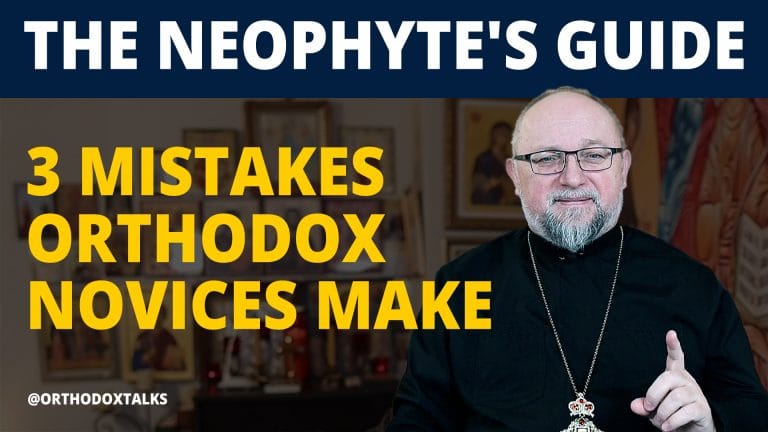
Congratulations! You have likely just experienced one of the most profound moments of your life. Whether you were recently baptized or chrismated, that feeling of standing atop a spiritual mountain is very real. The white garment is put away, the holy oil has dried, and your heart is full of a new, incredible light. However, I want to share a truth that few will tell you directly: the hardest part of this journey isn’t the path leading to Christ, but the first couple of years spent inside the Church.
In our tradition, we call a newcomer a neophyte. This isn’t a label meant to look down on anyone; it literally means a “new plant.” Like a young sprout, you are full of life and potential, but you are also very vulnerable to the elements. To help your faith grow deep roots that can last a lifetime, it is important to recognize the common pitfalls that often trip up those who are just beginning.
One of the most frequent mistakes is what we call zeal without knowledge. It is wonderful to be excited, having read the books and watched the videos, until you feel like an expert. Yet, a common trap is wanting to correct the cradle Orthodox person who has been in the pews for forty years. You might notice they didn’t bow at the exact right moment, or perhaps they made the sign of the cross with less reverence than you expected. In these moments, your best friend is silence. Your job right now isn’t to be a teacher or a judge, but to be a student. Even for a newly ordained priest, practicing silence in that first year is the best way to guard the soul.
Another challenge is the temptation to live like a fourth-century desert monk on day one. Spiritual pride loves a heavy schedule, and you might feel a rush to jump into the strictest fasts or a two-hour prayer rule immediately. But if you try to do too much too fast, you will burn out and eventually begin to resent the Church. Remember that Orthodoxy is a marathon, not a sprint. It is vital to evaluate your own spiritual strength and follow the specific rule your priest gives you—nothing more and nothing less. Ultimately, the Church is not about the rules themselves, but about love.
We also live in an age where “Internet Orthodoxy” can become a major distraction. Online forums and social media channels can be loud, harsh, and polemical, making it very hard to stay focused on your own heart. If your online faith makes you love your real-life neighbor less, it is time to turn off the computer. Your local parish, with its crying babies, slow choir, and messy coffee hour, is the actual Kingdom of God on earth. Your parish priest, who cares about your daily struggles rather than internet drama or clicks, is your true guide through this life.
Building a faith that lasts requires consistency over intensity. It is far better to say the Jesus Prayer five times with total focus than to rush through an entire prayer book while thinking about your grocery list. If you do make a mistake or find pride creeping in, use the power of confession as a spiritual checkup to fix what is broken. Be honest with your priest about your struggles, especially if you have felt the urge to judge others in the parish.
Finally, you should expect a “crash” eventually. The honeymoon phase will end, you might get bored in church, or someone in the parish will inevitably offend you. This isn’t a sign that the faith is wrong, but a sign that your real training has truly begun. Now is the time to make the decision to remain in those pews for the long game. The goal of the Orthodox life is theosis—becoming like God by grace—and that takes a lifetime, not a weekend. Be patient with yourself, stay humble, and remember that God loves you more than your own perfect performance of the rituals.
Welcome home, friend. Let’s get to work.
To watch the full video, click here